
Sustainable Eating and Cooking Features
Discover how thoughtful food choices and cooking practices can transform your kitchen into an eco-conscious space while nourishing your body and supporting local communities.
The information on this site is for educational purposes only and does not constitute medical advice. Always consult a qualified healthcare professional before making health decisions.
Core Features of Sustainable Cooking
Our comprehensive approach to sustainable eating encompasses multiple dimensions of food production, preparation, and consumption that benefit both your health and the planet.
Seasonal Produce Selection
Choosing fruits and vegetables that are naturally in season reduces transportation distances, supports local farmers, and ensures peak nutritional value. Seasonal eating aligns your diet with natural agricultural cycles and reduces your carbon footprint significantly.
Water-Smart Cooking Methods
Learn efficient cooking techniques that minimize water usage, such as steaming, pressure cooking, and batch preparation. These methods not only conserve resources but also preserve nutrients and flavors in your food while reducing energy consumption in your kitchen.
Zero-Waste Meal Preparation
Master the art of using every part of your ingredients. Transform vegetable scraps into broths, repurpose stale bread into breadcrumbs, and compost what cannot be used. This approach reduces landfill waste while maximizing the value of every purchase.
Plant-Forward Meal Design
Build your meals around whole plant foods—grains, legumes, vegetables, and fruits—while reducing reliance on animal products. Plant-based eating significantly lowers your environmental impact while offering diverse flavors and nutritional profiles that support your wellbeing.
Local Sourcing and Community Connection
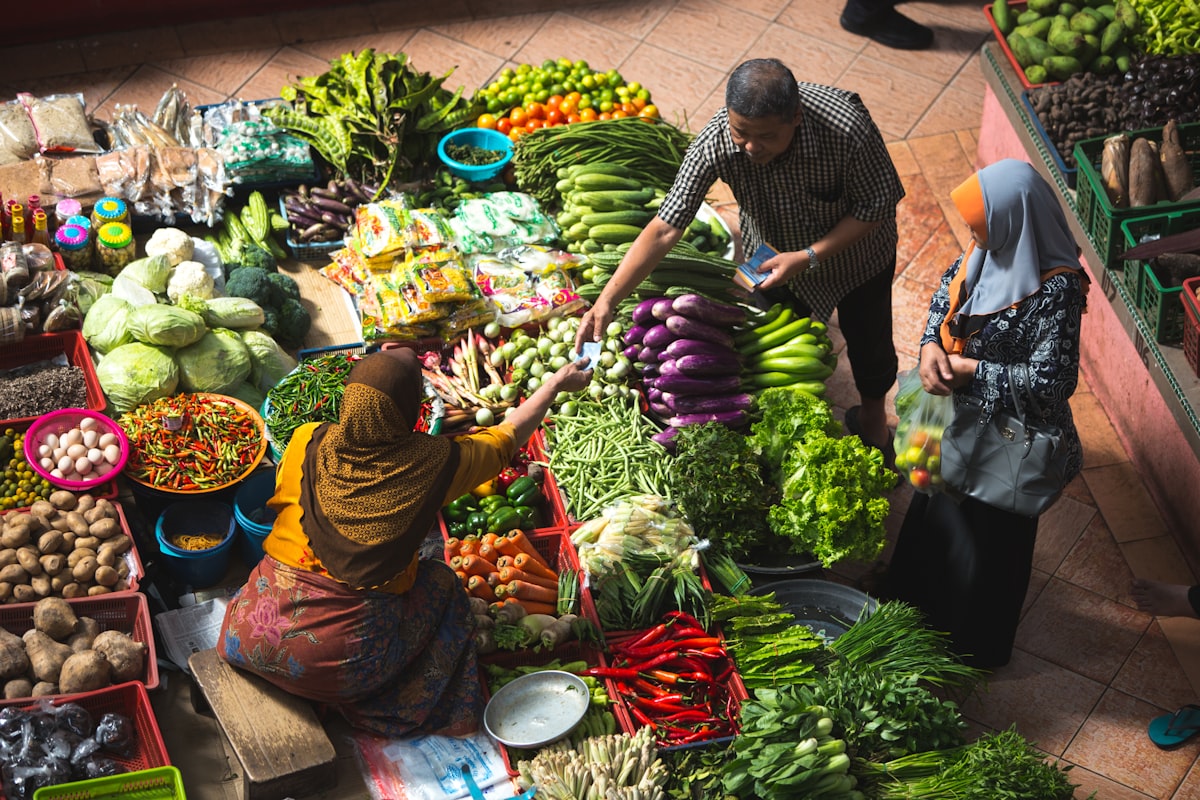
Partner with local farmers, farmers' markets, and community-supported agriculture (CSA) programs to source fresh ingredients. This strengthens local food systems, reduces packaging waste, and ensures you know exactly where your food comes from.
Mindful Cooking Techniques
Develop cooking skills that honor your ingredients and minimize energy waste. Proper planning, batch cooking, and thoughtful storage extend the life of your ingredients while creating delicious meals that nourish both body and spirit.
Traditional vs. Sustainable Cooking
Conventional Approach
- Reliance on out-of-season imports and long supply chains
- Significant food waste through single-use cooking methods
- Higher energy consumption in kitchen preparation
- Limited knowledge of ingredient origins
- Heavy reliance on convenience and processed foods
Sustainable Approach
- Seasonal sourcing from local producers and farmers
- Creative use of whole ingredients with minimal waste
- Efficient cooking methods that conserve resources
- Direct connection to food sources and farmers
- Emphasis on whole foods and thoughtful preparation
Your Sustainable Cooking Journey
Transform your approach to food through five practical steps that integrate sustainability into your daily kitchen routine.
Assess Your Habits
Evaluate your current shopping patterns, cooking methods, and food waste to identify areas for improvement.
Learn Seasonal Patterns
Discover what grows locally in your region and plan meals around seasonal availability.
Master Efficient Techniques
Develop cooking skills that maximize nutrition while minimizing energy and water consumption.
Build Community Connections
Establish relationships with local farmers, markets, and producers in your area.
Share Your Impact
Document and celebrate your progress while inspiring others in your community to join the movement.
Making It Work in Your Kitchen
Transitioning to sustainable cooking doesn't require a complete overhaul overnight. Small, consistent changes compound into significant environmental and personal benefits.
Start with Meal Planning
Create weekly menus based on seasonal ingredients and what you already have, reducing impulse purchases and waste.
Invest in Essential Tools
Quality knives, storage containers, and cooking equipment last longer and make preparation more efficient and enjoyable.
Build Your Knowledge
Learn proper storage techniques, preservation methods, and creative recipes that use whole ingredients without waste.
Connect with Your Community
Join local CSA programs, visit farmers' markets, and engage with others who share your commitment to sustainable eating.
Common Questions About Sustainable Cooking
Is sustainable cooking more expensive than conventional methods?
How do I know which foods are truly seasonal in my region?
Can I practice sustainable cooking in a small apartment kitchen?
What should I do with food scraps and vegetable trimmings?
How does sustainable cooking impact my daily routine and time management?
Can my family transition to sustainable eating together?
Stories from Conscious Cooks
"Switching to seasonal shopping at our local market transformed not just how we eat, but our entire relationship with food. We spend less, eat better, and actually know the farmers growing our vegetables. My kids are more adventurous eaters and we waste almost nothing now."
María García
Barcelona
"I was skeptical at first about zero-waste cooking, but learning to make vegetable broth from scraps and breadcrumbs from stale bread felt like discovering hidden treasure. The recipes and techniques from Wellbeingmealsguide made it easy and enjoyable."
Carlos Ruiz
Madrid
"Moving toward plant-forward meals felt daunting, but the variety and flavors are incredible. I feel better physically, and knowing my food choices support local farmers and reduce environmental impact gives me real peace of mind."
Elena López
Valencia
The Bigger Picture
When many households adopt sustainable cooking practices, the collective impact on our food systems and environment becomes significant and measurable.
Environmental Benefits
- Reduced Carbon Footprint: Seasonal, local sourcing eliminates long-distance transportation emissions.
- Decreased Food Waste: Zero-waste techniques reduce landfill contributions and associated methane emissions.
- Water Conservation: Efficient cooking methods and reduced food waste conserve precious freshwater resources.
- Support for Biodiversity: Local farming practices often preserve ecosystems better than industrial agriculture.
- Minimal Packaging: Buying from farmers' markets and bulk sources dramatically reduces single-use packaging.
Personal and Community Benefits
- Stronger Local Economies: Money spent at farmers' markets and local producers stays within the community.
- Direct Connection to Farmers: Know exactly where your food comes from and how it's grown.
- Educational Opportunities: Learn about seasonal eating, food production, and nutrition from experts.
- Community Engagement: Build relationships with neighbors who share your values.
What Our Community Says
"Switching to sustainable, locally-sourced meals has completely transformed my health. I have more energy and feel good knowing I'm supporting local farmers."
Sarah Mitchell
Portland, Oregon
"The Wellbeing Meals Guide made it so easy to understand how my food choices impact the environment. Now I'm making informed decisions for my family."
James Rodriguez
Austin, Texas
"I love connecting with my farmers at the market now. The food tastes better, and I'm part of something meaningful for my community."
Emma Chen
Seattle, Washington
Frequently Asked Questions
How do I find local farmers' markets near me?
Search online directories like "farmers markets near me" or visit your city's official website. Many communities also have community-supported agriculture (CSA) programs you can join.
Is sustainable food more expensive?
While some items may cost slightly more, buying seasonally and in bulk from local sources often reduces overall food spending. Plus, the long-term health benefits reduce medical expenses.
What if I don't have access to farmers' markets?
Many areas offer CSA delivery programs, online ordering from local farms, or co-ops. You can also grow herbs or vegetables in containers at home to start.
How can I reduce food waste at home?
Plan meals based on what you have, store produce properly, use vegetable scraps for broth, and compost organic waste. Learn creative ways to use every part of your ingredients.
Can I transition to sustainable eating gradually?
Absolutely! Start by replacing one or two items in your weekly shopping with local or organic alternatives. Small changes compound over time into significant environmental and health benefits.
Ready to Transform Your Plate and Planet?
Join thousands of people making sustainable food choices. Start your wellbeing journey today with simple, practical steps.